Hello everyone am back to my writing I know its been very long just got busy during Ramadan. Hope you all liked my previous blog on spiritual benefits of salah , today I will be throwing some light on the perspective of physical benefits of each posture and why the salah is performed in alloted time is beneficial for human health.
Each rakah of the salah consist of 7 postures with 2 extra at the end of every group. On an average a person will be performing 119 postures a day , studies have shown that daily prayers will account to an energy expenditure of 80 calories / day with a rate of spending 6 minutes for two rakahs. Oh I should also start praying slowly and steadily . The following are the postures that make a rakah:
- Takbir – standing
- Qayyam – standing
- Ruku – bowing
- Qayyam – standing
- Sajdah – prostration
- Jalsa – sitting
- Sajdah – prostration
- Jalsa – sitting
- Salaam – turning head from right to left (performed at end of each group)
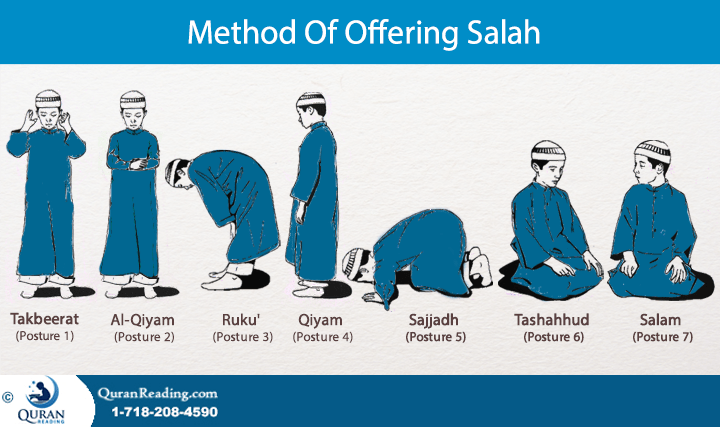
We will look into each and every posture as to how it is beneficial for our physical health.
Takbeer & Qiyyam / Standing
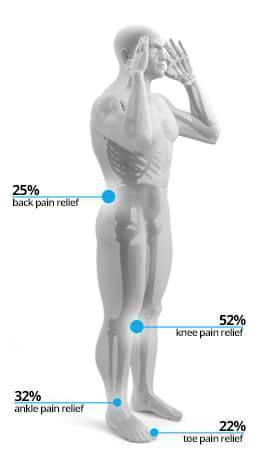
The total duration of both the postures combined together should be about 1.5minutes, studies have shown that standing upright will help in even distribution of weight which helps the body to attain its central equilibrium, helps in strengthening the back and improves posture.
Ruku/ Bowing
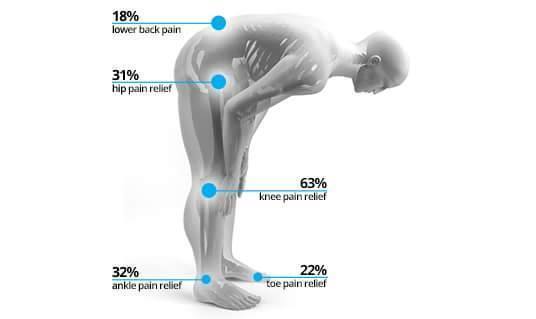
Ruk’u is forward flexion of lumbar spine and flexion at hip joint performed for 6-8seconds, in this posiiton knee joint bears load in extension.This position stretches the para spinal muscles of lumbar spine, hamstrings, and calves (gastrocnemius & soleus) muscles.It strengthens the back, extends the spine and increases the flexibility of hips and hamstrings. It relieve the stiffness at spine, neck, and back and help to improves posture as well as balance and co-ordination. Ruk’u is good for the lower vertebral column, trunk stability and provides a gentle distraction at vertebras.
Sajdah / Prostration
Perfomed for 10 – 12 seconds this posiiton allows the postural neck muscles to be activated in order to control the neutral head position in lowering down, and while lifting it from the floor. The hands are also stretched out in a manner that allows the forearm as well as the arm muscles to bear weight.Al- Gazal (2006) and Ayad (2008) stated that prostration is the only position in which the head is in a position lower than the heart and therefore, receives increased blood supply to the brain, stimulates the brain’s frontal cortex. This reduces the chances of brain hemorrhage.
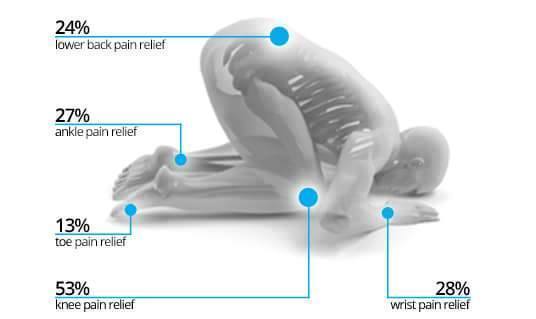
Jalsa/ Sitting
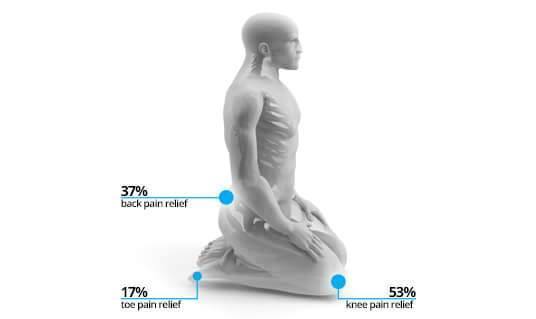
This position lasts for 40-60 seconds in every second rakah ,in this pose muscles at the front of the ankle and foot are stretched. It stretches the tibalis anterior, the extensor hallucis longus (with toe extended), the quads and gluteus muscles (while knees and hips are flexed).Sitting with lower back in good posture will help to strengthen core muscles. Core strengthening has a strong theoretical basis in treatment and prevention of LBP.
Salaam / Neck turns
Salam is an excellent form of neck and upper vertebrae exercise. Salam is an excellent form of neck and upper vertebrae exercise. Al- Gazal and Ayad et al. (2008) stated that the neck muscles, in particular, are strengthened such that it is uncommon to find a person offering regular Salah prostrating at least 40 times a day to suffer from cervical spondylosis or myalgias.
SubhanAllah such is the blessing of Allah isn’t it wonderful to know that each and every posture that we perform is been very precisely designed to benefit each and every muscle in our body. It is considered as a fullbody workout.
Source: Physical benefits of (Salah) prayer – Strengthen the faith & fitness – Ghazal Kamran*
Now next part is the timing , how many times have we wondered as to why only on these particular timing we perform salah. Let us look at the reaosns:
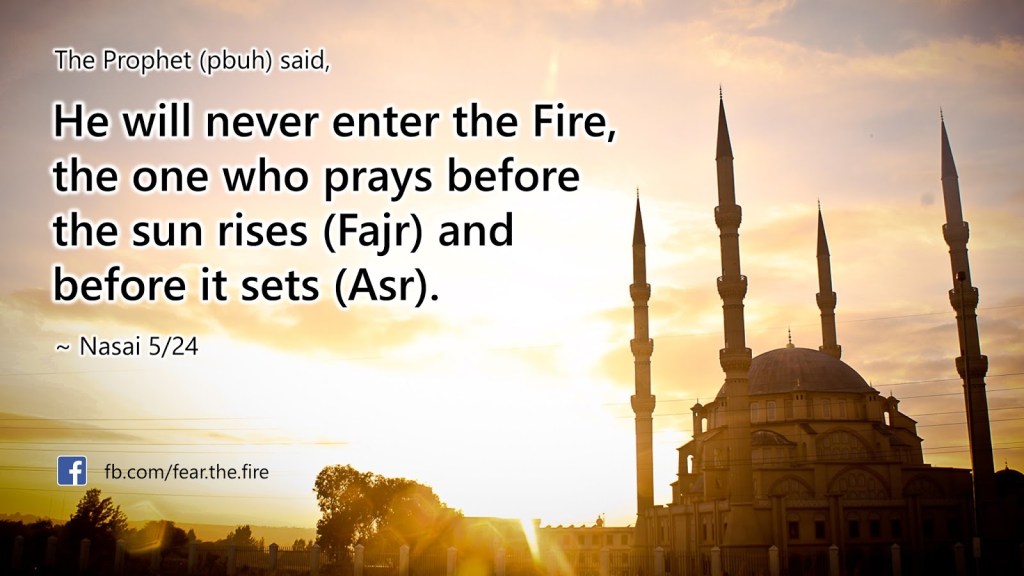
Fajr – performed before sunrise: Studies show that working out in the early morning hours will give a good feeling that you have accomplished something, morning workout will give a boost of 20% more fat burn, also it will imcrease the metabolism threrfore continuing the calorie burn throughout the day .
Zohr – performed midday: So the day has started all of us are busy working on our laptops and fulfillig our professional duties. Recently if you have been following the trends going on in corporate sector you would have noticed one such trend is companies are forcing their employees to take a break and do some minimun physical movents liek standin, bending , flexing,turnign the neck etc., If we noitice Zohr salah is to be perfomed midday and it involves all the necessary activites. The lunchtime workout gives your eyes, your brain, and your body a much-needed break from your sedentary 9 to 5.
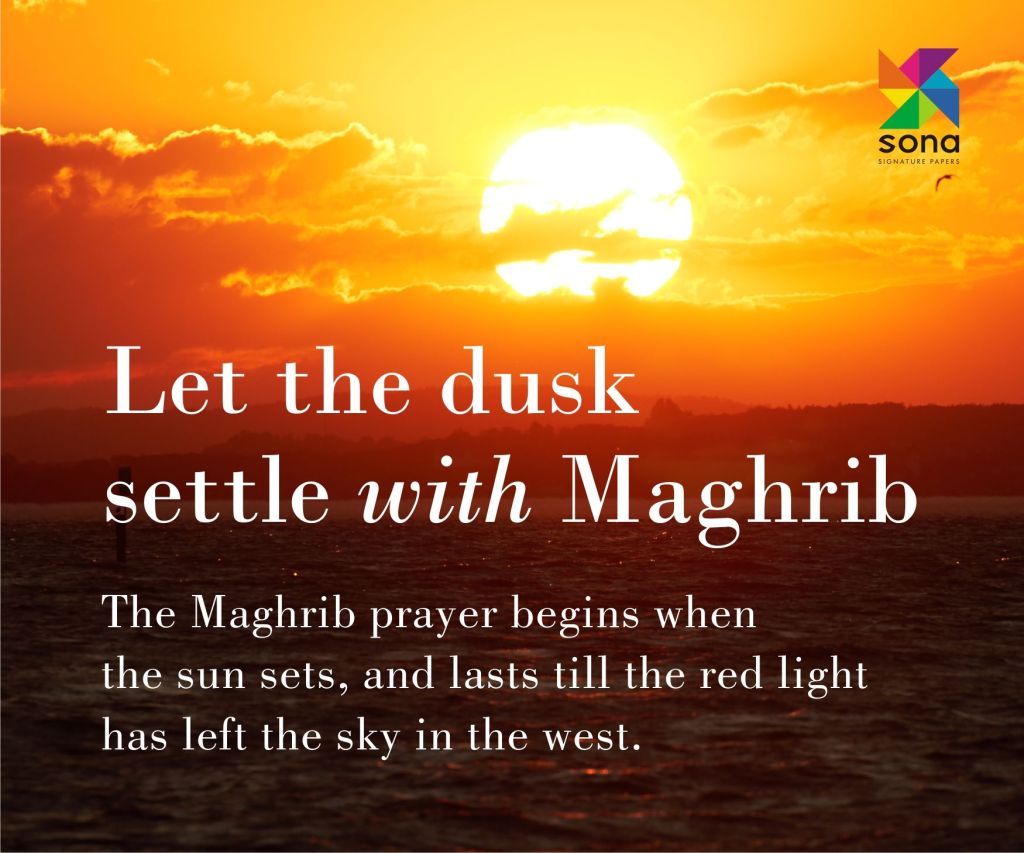
Asr – performed between Zohr and sunset & Maghrib – this is performed at sunset: between 2pm – 6pm we are said to have highest body temperature which means our body is ready for the activity and will make most of it very effectively. Studies say that evening execise routine will also help in getting a some sleep. Performing salah in a very much involved manner can also relax from the stress you encountered through out the day from work or at home.
Isha – performed between Maghrib and midnight: Late night exercise is what we can do to have a good nights sleep , performing any type of physical activity one our before sleeping helps in getting peaceful sleep , inshallah. It can also be considered as a stress reliving activity.
So these are the physical and spiritual benefits of performing salah, Hope you all enjoyed this perspective of reading salah. Indeed everyting given by Allah swt is beneficial for humans in every possible way , its blessing in disguise which we often tend to ignore.
Like share and follow
Stay Blessed














 Way2Well-Being